Ancient Archeological Discoveries Reveal Oldest Evidence of Drug Use
Download MP3When we discuss substance reliance, mental health challenges, and addiction in contemporary society, we often treat these issues as modern phenomena—products of fast-paced lifestyles, industrialized pharmaceuticals, or digital stressors. However, groundbreaking scientific discoveries are proving that humanity's relationship with mind-altering substances stretches back thousands of years into deep antiquity. According to an intriguing archaeological science report published by Yahoo News, researchers analyzing ancient botanical remains and chemical residues in ceremonial vessels have uncovered the oldest direct physical evidence of drug use and psychotropic plant preparation in human history.
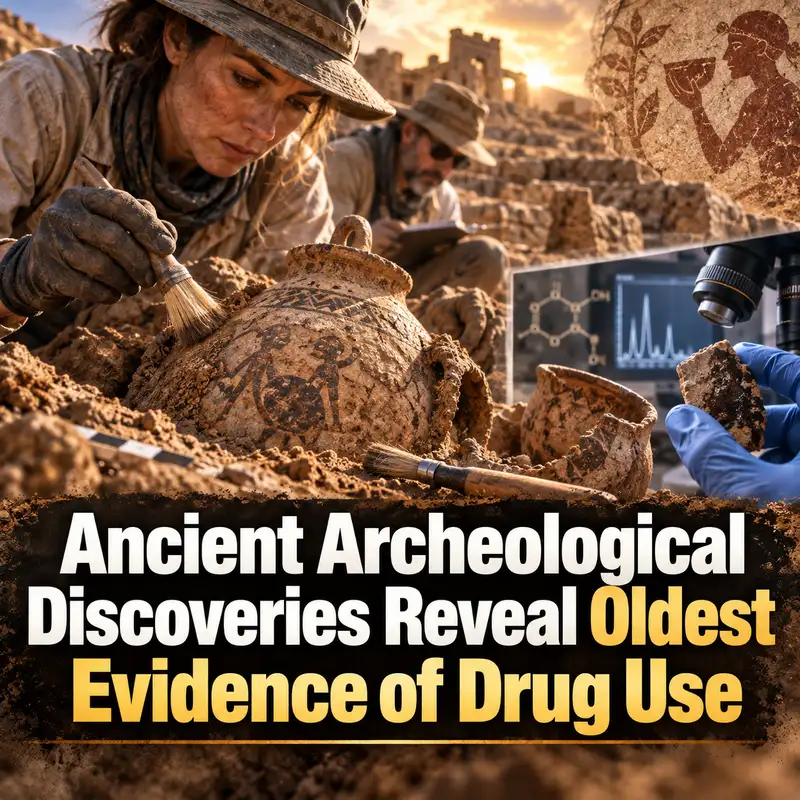
Utilizing advanced gas chromatography and micro-botanical analysis, archaeologists identified psychoactive compounds—including alkaloids derived from opium poppies, nightshades, and hallucinogenic plants—trapped within ancient dental calculus and prehistoric pottery fragments. Researchers explain that while early human societies initially integrated these potent plants into sacred spiritual rituals, medicinal healing, and shamanic ceremonies, evidence suggests that recurring consumption also led to early challenges with dependency and compulsive use. Evolutionary biologists note that human brains evolved neural pathways responsive to plant-derived chemicals millions of years before modern society existed, making us inherently susceptible to their powerful effects.
What makes these archaeological findings so profound is how they reframe our understanding of addiction. Proving that human exposure to mind-altering substances is an ancient, cross-cultural reality helps dismantle the harmful myth that addiction is merely a product of modern moral decay or societal defect.
Ultimately, Yahoo News’ coverage highlights that the drive to alter consciousness—and the biological vulnerability to dependency—is deeply woven into human history. By recognizing that ancient civilizations also grappled with substance reliance, researchers and public health experts can foster a more empathetic, biologically informed approach to modern recovery, viewing addiction as an enduring human challenge that requires compassionate medical science rather than stigma.
Join the Recovered Life Community here!
Creators and Guests